






Materials expert Wang Wenbin founded PollyPolymer in 2017 and developed a mature 3D-printing technology for footwear two years later

Wang Wenbin, founder and chairman of PollyPolymer, told the Post in a recent interview that the company has “established joint research and development (R&D) partnerships with several leading robotics companies, including more than 20 from China”.
Bionic muscles for humanoid robots require a special material that “must simultaneously meet four core requirements: high elasticity, excellent heat dissipation, superior wear resistance and anti-ageing properties”, Wang said, adding that the molecular structure was modified to achieve an elongation rate of 300 per cent while maintaining a skin-like texture.

A materials expert, Wang founded PollyPolymer in 2017 and developed a mature 3D-printing technology for footwear two years later. Shoes remain the company’s main market, accounting for 60 per cent of its total revenue.
This year, the company’s capacity to print shoes reached 2 million pairs, which was set to double in 2026, Wang said. However, it is still a nascent market with less than 0.1 per cent of shoes worldwide being 3D-printed. Wang’s goal is to increase that to 10 per cent in seven years.
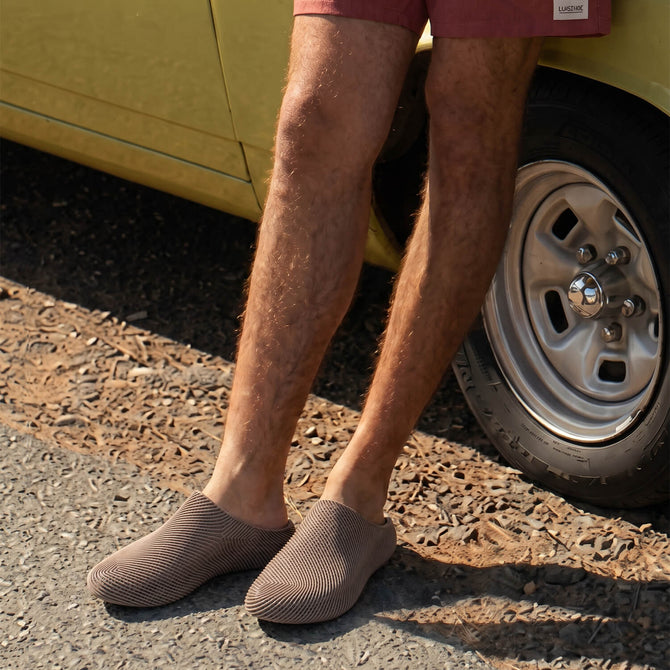
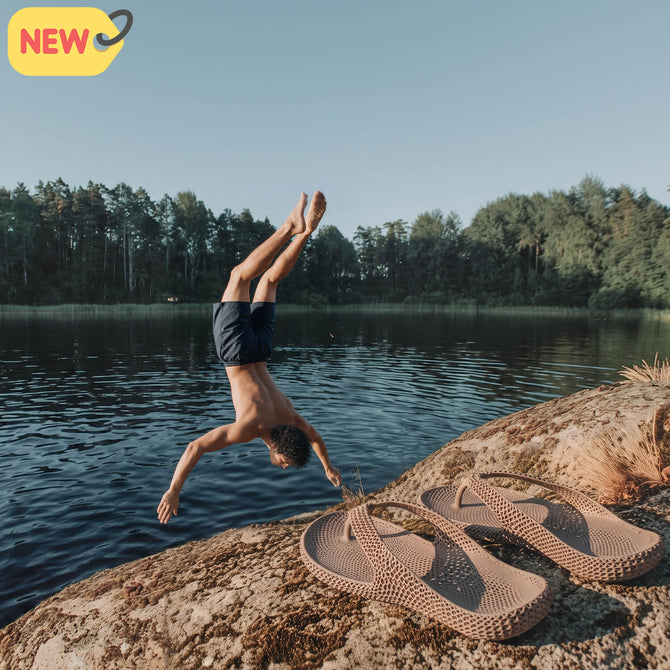
Working with brands such as Cole Haan, Skechers and Peak Sport Products, PollyPolymer not only supplies components like highly elastic soles and lightweight vamps, but also entire shoes printed as one piece.

PollyPolymer “rapidly responded to Disney’s customised design requirements, such as the three-dimensional rendering of cartoon elements, without the need for traditional moulding, reducing production time by 70 per cent”, he added.
Besides footwear and apparel, other sectors are gaining traction in adopting the technology, including robotics, sports equipment, smart home systems and dental care.
One quarter of its revenue comes from customers outside China, with annual growth of more than 40 per cent. In three years, PollyPolymer expects the overseas market to contribute to more than 50 per cent of total sales.
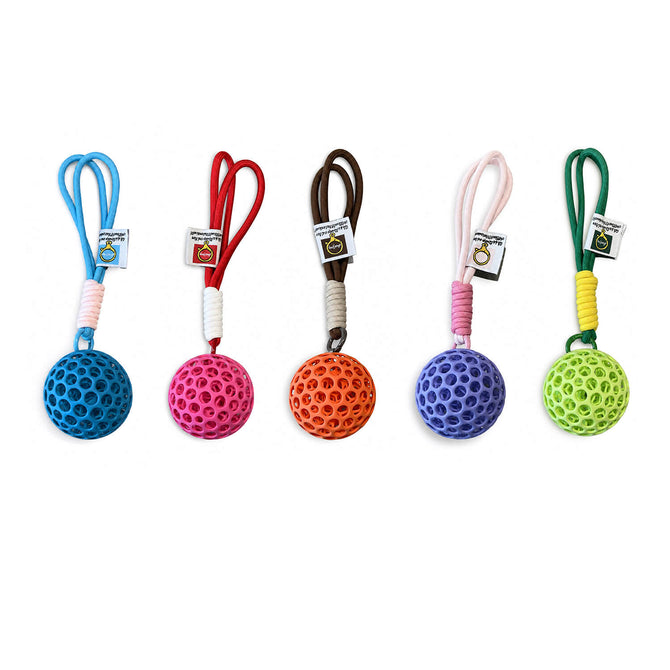
The company recently launched its own consumer brand, PollyFab, targeting the youth market overseas and tech enthusiasts in China. Wang said the brand would initially cover three types of products: customised sneakers, accessories such as keychains and home decor with cultural and creative elements.


