


What Happens to Your Shoes While They're Sitting in the Closet?
When organizing your closet between seasons, you might come across a pair of shoes you bought months ago but only wore a handful of times.
The soles still look new. The surface is clean, and there are barely any visible signs of wear. Naturally, you might assume they're still in exactly the same condition as when you first bought them.
After all, you hardly wore them.
But here's something worth knowing: Wearing your shoes less doesn't mean time stops affecting their materials.
Even when shoes aren't being worn, environmental factors such as temperature, humidity, sunlight, and storage conditions can gradually influence their material properties.
So, what about 3D-printed shoes?
Without traditional fabric uppers or multiple bonded components, can they maintain their original condition for longer?
Let's explore what happens to shoes when they're simply sitting in your closet.
1. Less Wear Doesn't Mean No Aging
Most people associate shoe deterioration with everyday use.
Walking wears down the soles. Repeated bending puts stress on the materials, while friction and pressure gradually affect different parts of the shoe.
These changes are directly related to how often and how intensely shoes are worn.
However, there's another type of change that doesn't require any physical activity: material aging.
Under certain environmental conditions, the molecular structure of polymers can gradually change over time, potentially affecting their flexibility, elasticity, and mechanical strength.
That's why a shoe's condition depends on more than just how often you wear it.
There are two factors worth considering:
-
Wear-related deterioration: Changes caused by walking, friction, bending, and repeated loading.
-
Environment-related aging: Changes influenced by temperature, moisture, sunlight, and storage conditions.
A shoe that has barely been worn may still have excellent-looking tread, but that doesn't necessarily mean every material property remains exactly as it was when new.
2. 3D Printing Is a Manufacturing Method, Not a Material
One common misconception is that all 3D-printed shoes behave the same way over time.
In reality, 3D printing describes how a product is manufactured, not what it's made of.
Different 3D-printed footwear may use different materials, including thermoplastic elastomers (TPE), thermoplastic polyurethane (TPU), or UV-cured elastic resins.
Even within the TPU category, chemical formulations, additives, and stabilization technologies can vary considerably.
These differences influence how materials respond to environmental conditions and how they perform over time.
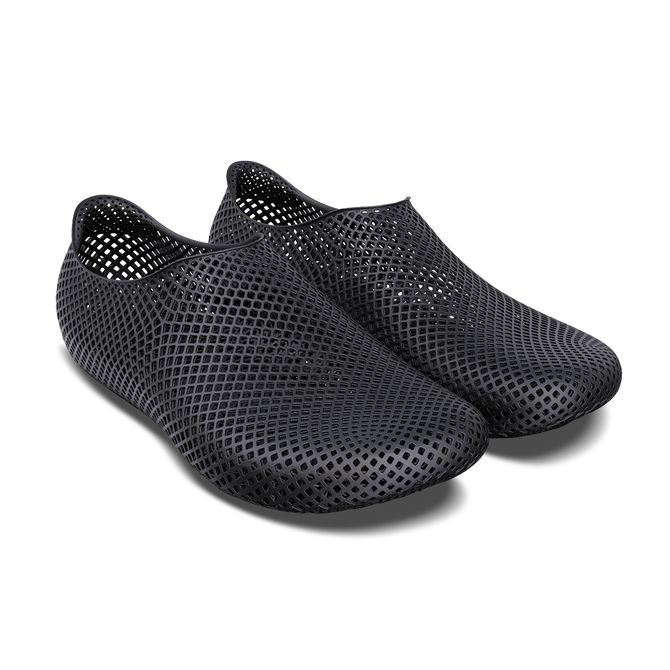
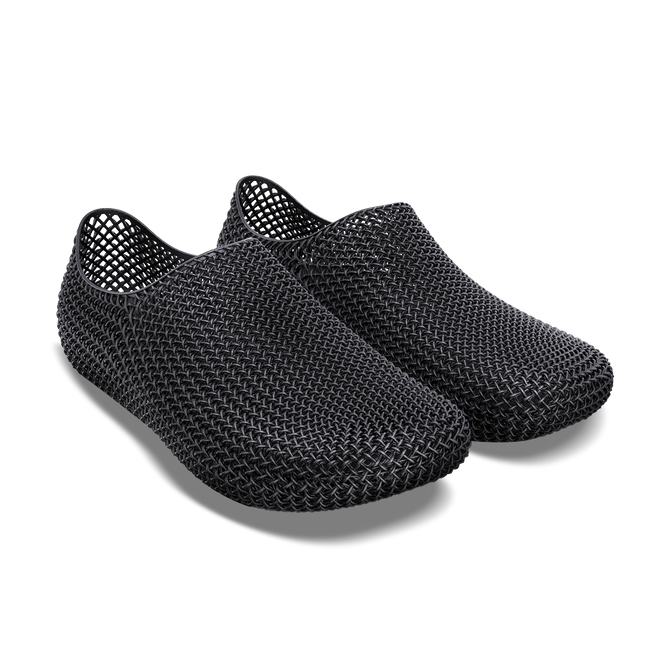
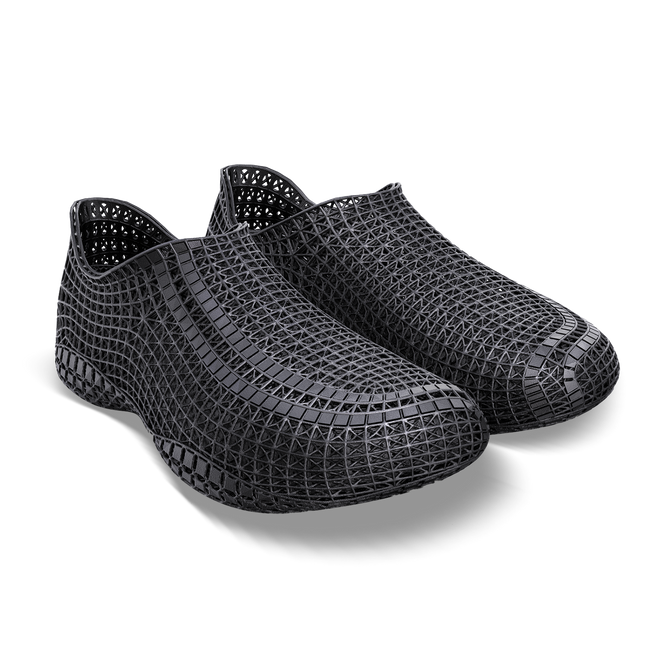
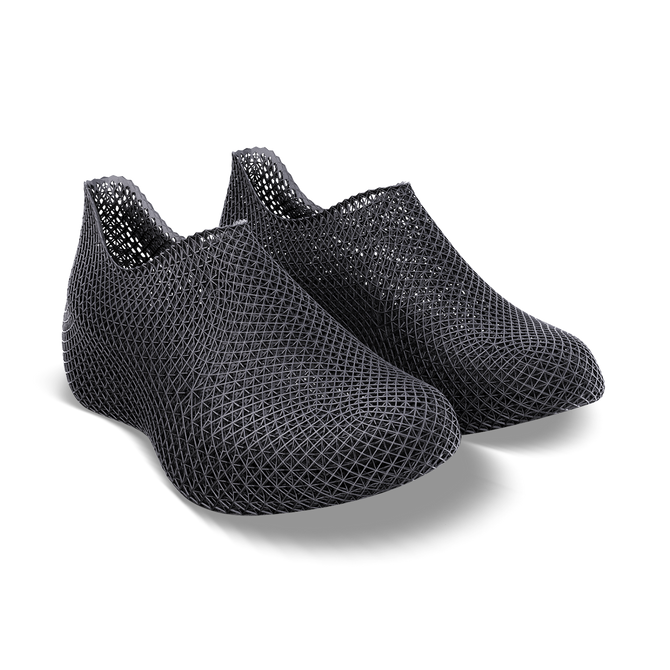
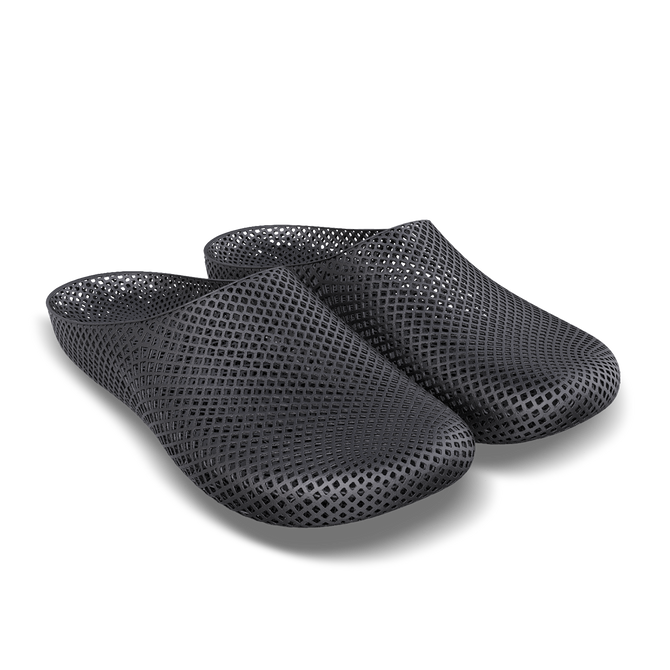
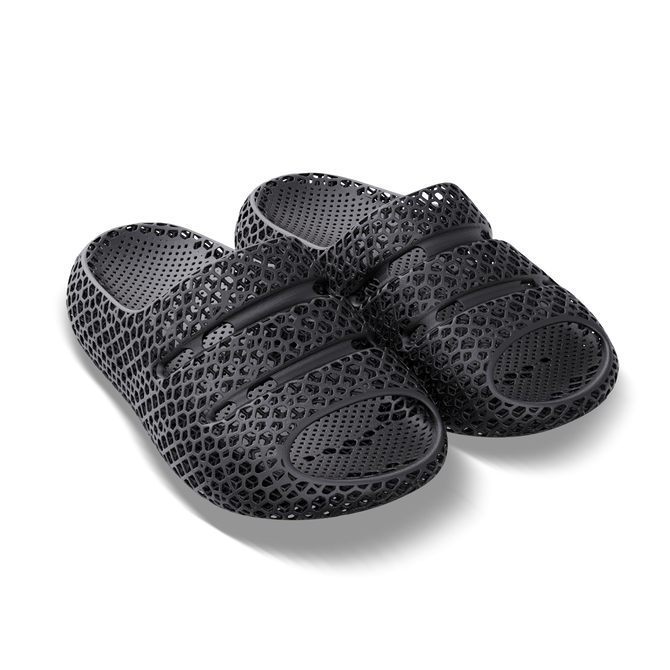
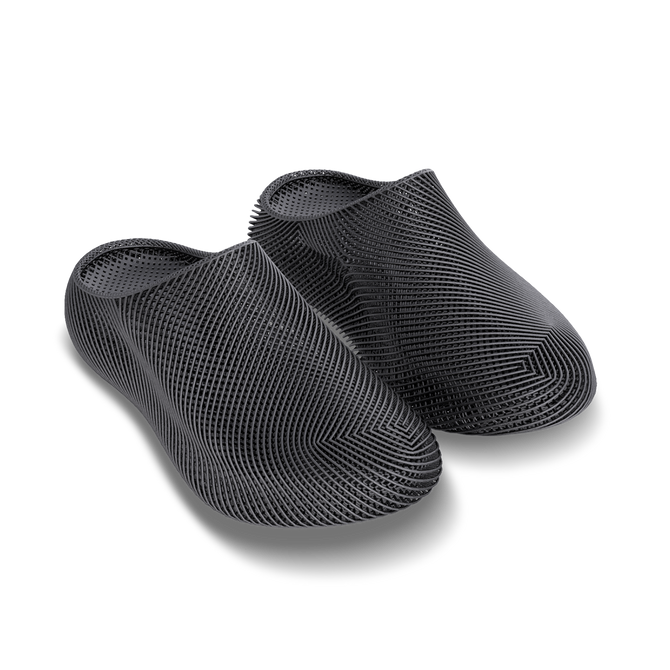
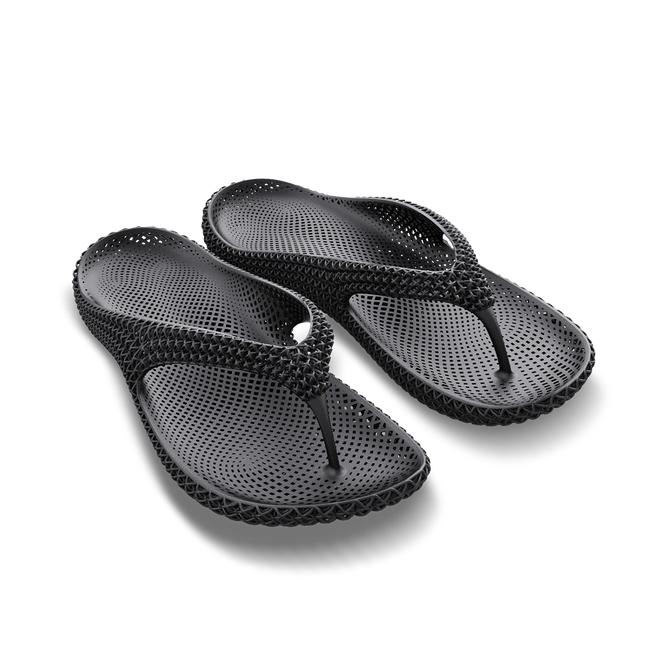
Likewise, two shoes with similar lattice structures don't necessarily have the same storage life or durability.
The lattice structure is what you can see. The material composition and formulation are what you cannot.
To understand how long a pair of 3D-printed shoes can maintain its performance, it's important to consider:
-
What material is used?
-
How is the material formulated and stabilized?
-
Has it been tested under different environmental conditions?
-
What storage and care recommendations does the manufacturer provide?
The fact that a shoe is 3D-printed is only the beginning of the conversation about its durability.
3. Why Do Temperature and Humidity Matter?
Temperature and moisture can influence the aging processes of certain polymers.
For example, some polyester-based polyurethane materials may undergo hydrolysis when exposed to prolonged humid and warm conditions.
Hydrolysis can break down molecular chains within the material, potentially affecting its mechanical properties over time.
However, it's important to understand the conditions involved.
This doesn't mean every TPU shoe will deteriorate simply because it gets wet. Nor does it mean all 3D-printed shoes will experience the same aging process in an ordinary shoe cabinet.
Different material formulations have different levels of resistance to moisture and hydrolysis.
The practical takeaway is simple:
Water resistance doesn't automatically mean unlimited resistance to long-term humidity.
Occasional cleaning, getting caught in the rain, and being stored in a consistently warm and humid environment are very different conditions.
Proper drying and storage remain important, even for 3D-printed footwear.
4. Does One-Piece Construction Prevent Aging?
Many 3D-printed shoes feature integrated, one-piece construction, reducing the need for traditional stitching, adhesives, and multiple assembled components.
This can eliminate certain types of connection-related failure.
However, one-piece construction doesn't make the material itself immune to environmental changes.
Think of a flexible lattice structure as an interconnected elastic network. Even without seams or glued joints, the material forming that network can still change over time.
The open lattice design also doesn't automatically guarantee that a shoe will remain dry in every storage environment.
It's still worth considering whether the shoes have been properly dried, whether the storage area is humid, and whether heavy objects have been pressing against the structure for extended periods.
Long-term compression may also affect the shape and recovery behavior of elastic materials.
In other words, integrated construction offers structural advantages, but long-term durability still depends on the material, manufacturing process, and product testing.
5. What Should You Check Before Wearing Shoes That Have Been Stored for Months?
When taking an old pair of shoes out of the closet, don't just look at the soles.
A few additional checks can help you identify potential problems before wearing them again.
Look for visible changes:
-
Are there cracks around the lattice connections?
-
Has the shoe developed unusual deformation?
-
Does the surface feel unusually sticky?
-
Is there any flaking or visible deterioration?
Check the flexibility:
Gently flex the shoe and see whether it behaves differently from when you first purchased it.
If you notice unusual stiffness, cracking, or other abnormal changes, it's best to contact the manufacturer before continuing to wear the shoes.
Keep in mind that visual changes don't always indicate material failure. For example, discoloration alone doesn't necessarily mean a shoe has lost its mechanical performance.
The purpose of these checks is simply to identify signs that may deserve further attention.
6. What About the Environmental Impact of 3D-Printed Shoes?
Durability is only one part of the conversation. Material selection also matters when considering the environmental footprint of footwear.
At PollyFab, we incorporate 53% bio-based material content into our material formulation.
This means a significant portion of the material comes from biological rather than conventional fossil-based sources, representing an effort to reduce reliance on fossil-derived raw materials.
However, bio-based doesn't automatically mean biodegradable or compostable. A product containing bio-based materials can still require appropriate end-of-life handling.
We believe responsible material innovation should consider more than how a product is made. It should also consider how materials are sourced, how long products remain usable, and what happens when they eventually reach the end of their useful life.
For us, the 53% bio-based composition is one step toward exploring more responsible footwear materials.
Innovation should not only change how shoes are made, but also how thoughtfully we approach the materials behind them.
7. Simple Storage Tips to Help Maintain Your Shoes
While no storage method can stop material aging entirely, a few simple habits can help reduce unnecessary environmental stress.
Here are some practical recommendations:
1. Let Them Dry Completely
After cleaning or wearing your shoes in wet conditions, allow them to dry naturally before putting them away.
2. Avoid Direct Sunlight
Prolonged exposure to direct sunlight may affect certain footwear materials. Store your shoes in a shaded area.
3. Keep Them Away from Excessive Heat
Avoid placing shoes near radiators, heaters, or other high-temperature sources.
4. Choose a Dry, Well-Ventilated Space
Avoid leaving shoes in consistently damp or poorly ventilated environments.
5. Avoid Long-Term Compression
Don't stack heavy objects on top of your shoes. Give the shoe structure enough room to maintain its original shape.
These small steps cannot guarantee a specific storage lifespan, but they can help minimize avoidable damage.
Always follow the care instructions provided for your specific shoe model, as different materials may require different maintenance methods.
Final Thoughts: Your Shoes Have a Life Beyond the Road
So, do 3D-printed shoes age even when you barely wear them?
Yes, they can.
How quickly they change depends on several factors, including material composition, formulation, manufacturing quality, environmental conditions, and storage time.
There's no need to assume that a pair of shoes will deteriorate simply because they've been sitting in your closet for a few months.
At the same time, wearing them only a few times doesn't guarantee that their materials remain exactly as they were when new.
A shoe's lifespan isn't shaped only by the miles it travels. It's also influenced by the time it spends resting.
At PollyFab, we believe the future of footwear innovation should go beyond creating shoes that feel lightweight, flexible, and comfortable when they first come out of the printer.
It should also involve thoughtful material choices, better product design, and a deeper understanding of how footwear performs throughout its life.
Because great footwear innovation isn't just about the first step.
It's about every step that comes after.
References: BASF technical resources on TPU materials and their resistance to hydrolysis. Material behavior varies depending on chemical composition and environmental conditions. The 53% bio-based material content referenced above does not imply that the finished footwear is biodegradable, compostable, or free from environmental impact.


