

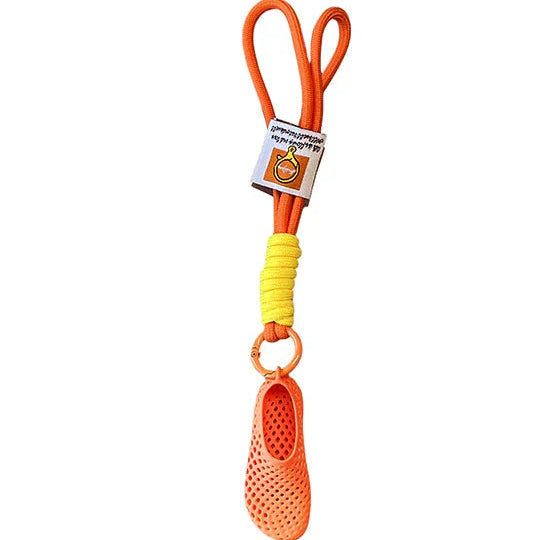

Lattice structures and digital design sound revolutionary, but tech credentials don't guarantee comfort. Here are 6 crucial fit rules to check before buying 3D-printed footwear.
Introduction: High-Tech Looks vs. Everyday Comfort
It’s easy to be captivated by a pair of 3D-printed shoes at first sight.
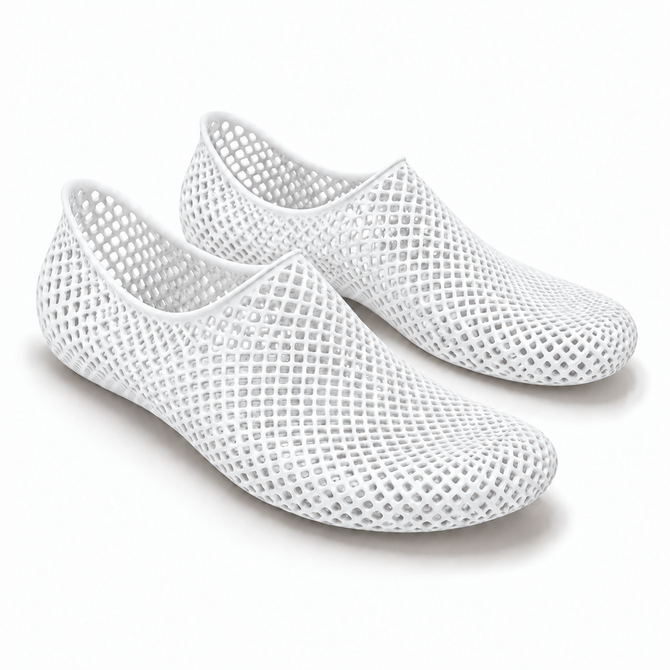
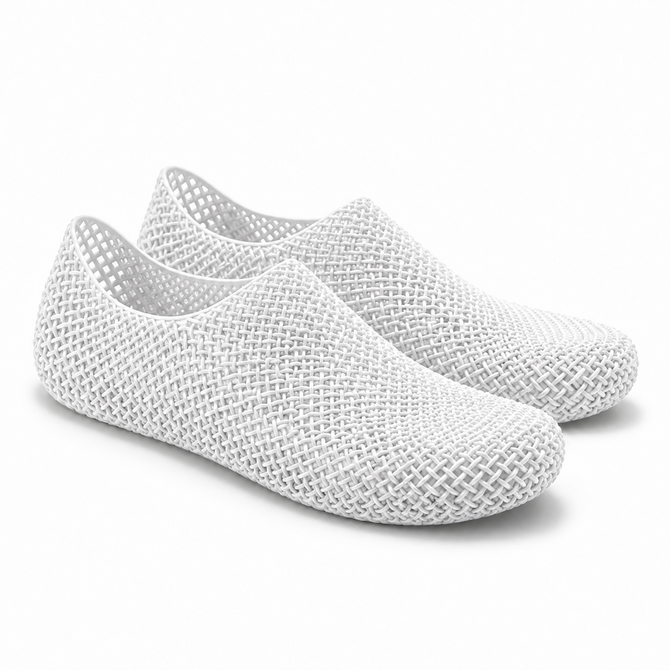
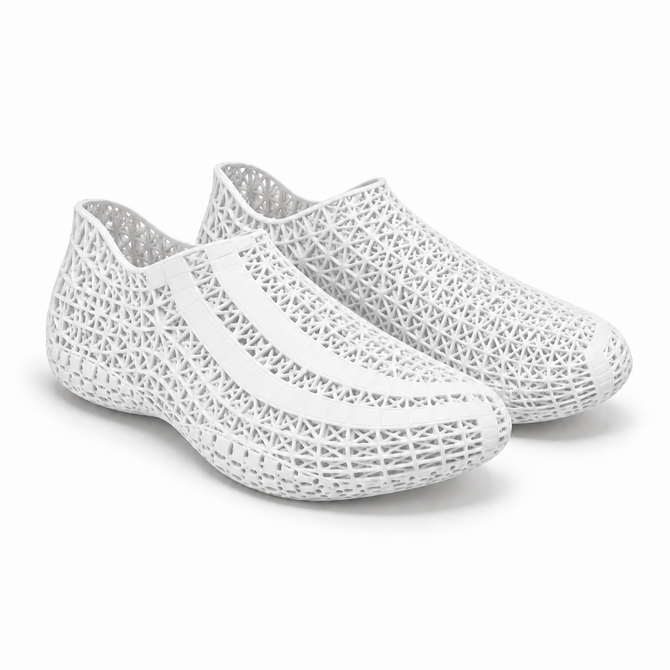
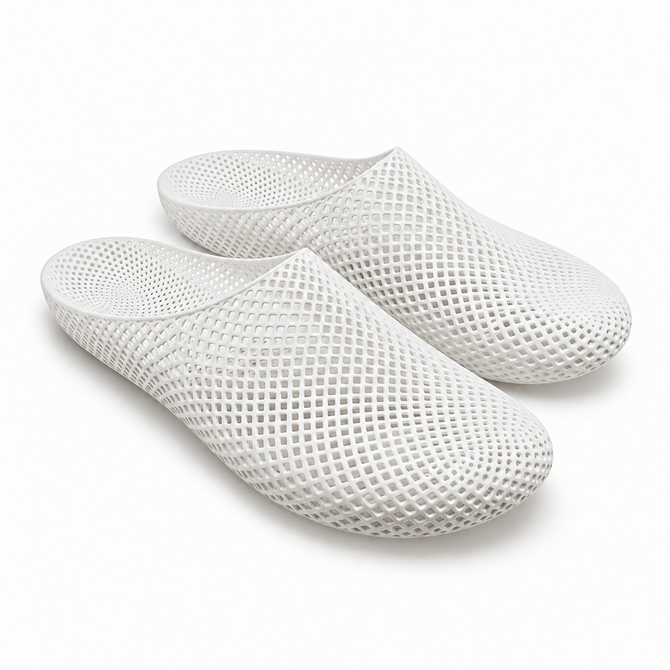
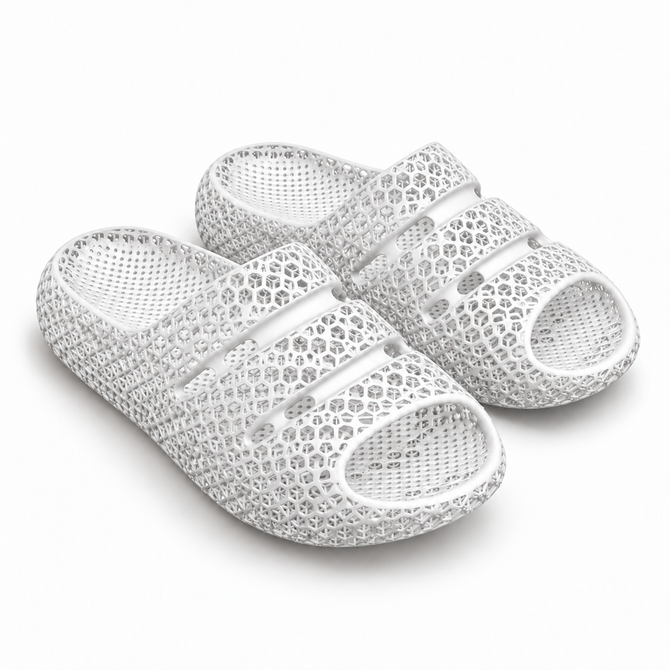
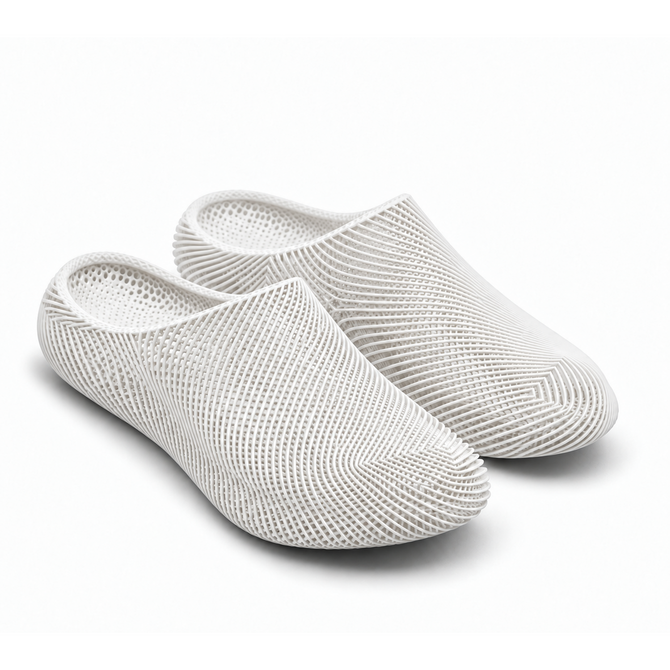
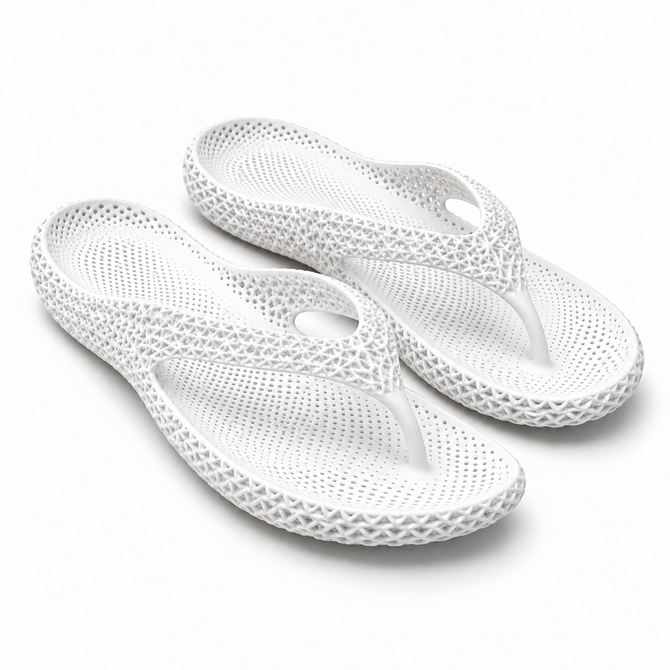
Instead of traditional fabric, the upper and sole are often formed by intricate, open-cell lattices. Press them with your fingers, and you can instantly watch the material flex and bounce back. Add in product descriptions loaded with buzzwords like "monolithic molding," "lattice cushioning," and "digital design," and it seems like a given that they’ll be exceptionally comfortable.
Yet as consumers, we ultimately care about one simple thing: Can I wear these shoes comfortably all day long?
3D printing is a groundbreaking manufacturing method, but it doesn’t automatically erase the natural mismatch between a shoe’s mold and an individual’s foot shape. Here is a practical guide on what to watch for when trying on 3D-printed footwear.
01. Squeezing it with Your Fingers Isn't the Same as Standing on It
When shopping for shoes, many people instinctively pinch the sole. If it yields easily under the thumb, they assume it’s soft and comfortable.
However, your thumb only applies localized pressure to a tiny spot. When you step into a shoe, it bears your entire body weight across your full foot area. Sole softness is only one piece of the comfort puzzle.
-
Soft sole + tight collar: Still leads to pinching and pressure spots.
-
Firm sole + anatomical fit: Often feels surprisingly stable, smooth, and supportive on long walks.
The takeaway: Hand-testing helps you gauge the material’s elasticity, but it can never replace actually trying the shoe on.
02. Your Standard Size Might Not Be Your 3D-Printed Size
"I’ve always worn a US 8, so I’ll just get an 8."
With novel 3D-printed silhouettes, it pays to pause before checking out. Because these shoes often feature unique lattice tension, non-traditional upper structures, and distinct collar openings, their internal volume behaves differently from conventional sneakers.
Two people can have the exact same foot length, but one might have a wider forefoot or a higher instep. If the toe box feels cramped, simply sizing up might fix the front, only to cause heel slippage at the back.
This is precisely where Pollyfab’s custom design system makes a game-changing difference.
Standard mass-produced sizes almost always leave users caught in-between—either slightly too loose or just a bit too tight. By leveraging advanced 3D printing technology, Pollyfab’s customization process maps directly to individual foot scan data, achieving up to a 99% precise anatomical fit. Moving from "making your feet adapt to the shoe" to "custom the shoe to your feet" completely resolves traditional sizing flaws, offering a truly personalized comfort experience.
Pro tip: Check the brand’s specific sizing recommendations first, and ask targeted questions: Is this mold friendly for wide feet or high insteps? If I'm between sizes, which fit strategy works best for this specific model?
03. Don't Just Stand in Front of the Mirror—Take a Walk
Standing still feels completely different from walking. When trying them on at home or in-store, wear the exact style of socks you plan to pair them with (sock thickness drastically alters internal shoe volume). Walk around, pivot slowly, and pay attention to how the shoe responds to motion.
Key areas to monitor:
-
Toes: Are your toes bumping against the front during a stride?
-
Forefoot: Does the lattice pinch or crease awkwardly when your foot bends?
-
Heel: Does your heel slip or rub against the back collar?
-
Ankle Collar: Is the raw rim continuously chafing your skin?
04. "They'll Break In Eventually" Won't Fix a Poor Fit
It’s normal for new footwear to feel different initially. But if a pair causes immediate pinching, toe crowding, or friction hotspots, don't fall into the trap of telling yourself: "It’s advanced technology—I just need time to adapt."
While certain 3D-printed polymers may relax slightly over time, the degree of change varies, and it won't magically reshape a fundamentally mismatched upper. Never rely on the hope that a shoe will "stretch out" as your primary reason for keeping an uncomfortable pair.
Try switching to different socks or adjusting the lacing. If the discomfort persists, listen to what your feet are telling you.
05. High Breathability Needs the Right Environment
Open lattice structures offer striking looks and unmatched ventilation, but their performance heavily depends on how and where you wear them.
Ask yourself these practical lifestyle questions before buying:
-
Where will I wear them most? (Indoor office vs. long outdoor commutes)
-
What are the ground conditions? (Smooth pavement vs. loose gravel or rainy streets where water and debris might enter the open lattice)
-
How do I style them? (Socks vs. barefoot)
If a 3D-printed shoe is designed primarily for lifestyle recovery or casual wear, don't assume its springy sole makes it suitable for running or high-impact sports. A shoe tailored to your specific routine matters far more than generic praise.
06. Ask About Maintenance & Warranty Before Checking Out
The ownership experience doesn't end at checkout. Given the unique lattice geometric structures and synthetic materials involved, clarify a few practical details with the seller beforehand:
-
Cleaning instructions: Are there specific detergents, soaps, or high-heat drying sources to avoid?
-
Return policy: How clean must the outsoles remain during indoor try-ons to qualify for an exchange?
-
After-sales support: Who do you contact if there’s structural deformation or micro-cracking over time?
Asking these questions upfront ensures you’re purchasing from a brand that supports their product long after the unboxing.

Final Thoughts
So, why does the same pair of 3D-printed shoes feel like walking on clouds to one person, while causing blisters to another?
Because real comfort is never determined by technology alone—it emerges from the interaction between a specific shoe, an individual foot, and a daily lifestyle.
Stay curious about innovative manufacturing and cutting-edge design, but when it comes to keeping a pair, ground your decision in basic feel. A shoe worth keeping shouldn’t require technical jargon to convince you—it should simply make your feet happy every time you step into it.


