






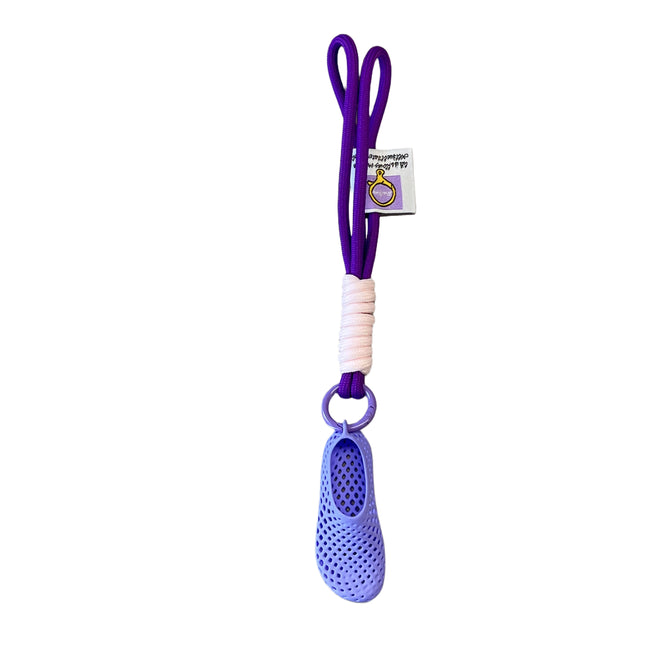
How to Care for Your PollyFab 3D Printed Shoes
Your PollyFabs are one-piece photopolymer 3D printed shoes with a lattice sole. They're water-friendly and surprisingly easy to maintain — as long as you follow a few simple rules.
1. How to Clean
The golden rule: dry-brush first, water second. Most grime sits on the surface and comes off without any liquid.
Quick Daily Clean (30 seconds)
Shake it out
Turn the shoe upside down and tap the sole — loose grit falls right out of the lattice.
Dry brush
A soft brush (old toothbrush is perfect) sweeps away surface dust on the upper and sole. This alone handles most everyday dirt.
Damp wipe if needed
For anything that brushing doesn't remove: a damp microfiber cloth with a dab of mild soap, wipe gently. Done.
Deep Clean (when they're properly dirty)
Dry prep
Brush the entire shoe — upper, lattice, sole — before any water touches it. This removes 70%+ of dirt upfront.
Mild soap + cool water
Room-temperature water with a little neutral detergent (baby laundry liquid works great). Never hot water.
Gentle circular brushing
Soft brush, light pressure. For lattice interiors, alternate brushing with running water from multiple angles. Pay extra attention to the heel and toe areas.
Rinse until clear
Flush with running water from all directions until no bubbles remain. Leftover soap residue dries into white spots.
2. How to Dry — This Matters
Drying wrong is how most 3D printed shoes get damaged. The rule is simple:
The Right Way
Pat dry with a towel, stuff with paper or soft cloth to hold shape, then leave in a cool, shaded, ventilated spot. Full air-drying takes 3–6 hours.
Never Do This
No direct sunlight, no radiators, no hairdryers, no tumble dryers. Any artificial heat can warp the photopolymer structure or crack the surface finish.
3. Dealing with Odor
Odor comes from two things: trapped moisture + bacteria. Fix both in one step:
Sprinkle baking soda inside the shoe, leave overnight (8+ hours), then shake or vacuum it out. That's it. For prevention, always air out your shoes for at least 30 minutes after wearing before putting them away. Activated charcoal pouches also work well for ongoing freshness.
4. Storage
Daily
Cool, dry, ventilated spot. Open shoe rack beats enclosed cabinet. Never stack heavy items on top — the lattice can deform under constant pressure. Always ventilate 30 minutes after wearing before storing.
Long-Term (month+)
Clean and dry completely first. Stuff with acid-free paper to hold shape. Store in a breathable dust bag — never plastic, which traps moisture and breeds mold. Add a silica gel packet, and air out every 1–2 months.
5. What You Can & Can't Do
Do This
- Soft brush or old toothbrush for cleaning
- Room-temperature water (below 30°C / 86°F)
- Mild neutral soap or baby laundry detergent
- Toothpaste + soft brush for spot stains
- Pressure washer for lattice debris
- Air-dry in shade, away from heat
- Baking soda overnight for odors
- Rotate between 2+ pairs for longevity
- Ventilate 30 min after each wear
- Wear in rain — just dry promptly after
Don't Do This
- Stiff brushes, steel wool, anything abrasive
- Hot water (over 50°C / 122°F)
- Alcohol, acetone, gasoline, strong solvents
- Washing machine or tumble dryer
- Direct sunlight or radiator drying
- Digging at the lattice with hard objects
- Bleach or chlorine-based cleaners
- Leaving in a hot car (70°C+ interior)
- Alcohol-based deodorizing sprays
- High-impact sports (basketball, trail running)
6. Quick Tips for Longer Life
Rotate Your Pairs
Alternating between two pairs gives the lattice structure time to recover its elastic memory between wears — extending lifespan by ~40%.
Wear Socks (at first)
During the first 3–5 days of breaking in a new pair, thin socks reduce friction and keep skin oils off the fresh surface.
Summer Care
In hot weather: never leave shoes in a parked car, increase cleaning frequency (sweat residue erodes coatings), and always ventilate after wearing.
After the Beach
Fine sand is the lattice's worst enemy — it embeds deep and abrades with every step. Pressure-wash all lattice cells immediately after leaving the beach.
7. Common Questions
1. Can I put them in the washing machine?
We strongly advise against it. The spin and tumble action subjects the lattice to irregular impact forces that can deform or damage it. Hand washing takes a few extra minutes and is far safer. If you absolutely insist: cold water, delicate cycle, inside a laundry bag, air-dry only — at your own risk.
2. Can I wear them in the rain?
Yes — PollyFab 3D-printed shoes are water-resistant photopolymer. Just dry them with a cloth and air them out promptly after. If they get muddy, let the mud dry before cleaning — scrubbing wet mud forces it deeper into the lattice.
3. Will the color fade?
High-friction zones (sole, heel, flex points) may develop natural color fading over time. This is normal wear patina — like raw denim aging — not a defect. It doesn't affect the shoe's structural integrity.
4. Are the layer lines on the surface defects?
No. They're the natural signature of 3D printing's layer-by-layer process (roughly 0.1–0.2mm per layer). It's a mark of the manufacturing method, not a quality flaw — and it proves your shoes were genuinely printed in one piece.
5. What if a stone gets stuck in the lattice?
Turn the shoe upside down, tap the sole with your palm. If it stays, use a pressure washer or strong faucet stream from different angles. Never pry with keys, screwdrivers, or anything hard — you risk breaking the lattice walls.
6. What if I find a crack or damage?
Stop wearing them immediately and contact PollyFab support. Since the shoe is one-piece construction, DIY glue repairs may react poorly with the photopolymer material and worsen the damage.
7. How long do they last?
With rotation between pairs, proper cleaning, and good habits: 6–12+ months in great condition. Lattice soles wear differently than rubber — nodes may become slightly smoother at contact points — this is normal and expected.


